
Kafue National Park: A Triumph for Leopards, Wild Dogs & Wildlife Recovery in Zambia
In the vast heart of Kafue National Park, one of Africa’s largest protected wilderness areas, a quiet but powerful conservation success story is unfolding. Spanning more than 22,000 square kilometres and forming a vital part of the greater Kavango-Zambezi Transfrontier Conservation Area, Kafue has long been known for its sweeping floodplains, miombo woodlands, and extraordinary biodiversity. Yet like many wild landscapes across the continent, it once suffered from intense poaching and declining predator populations. Today, the tide is turning.
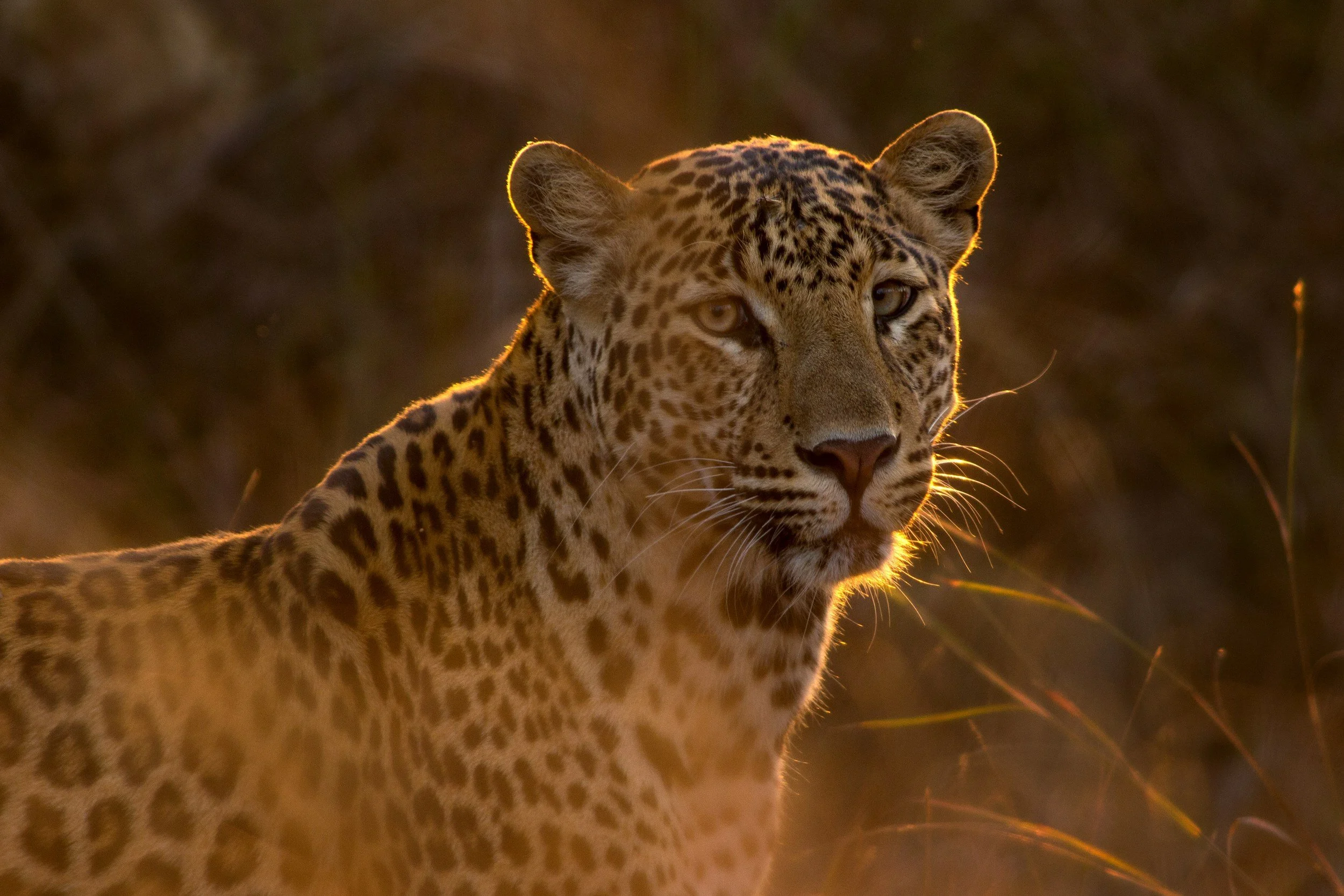
Over the past decade, strengthened anti-poaching efforts, improved wildlife monitoring, and strong partnerships between Zambia’s Department of National Parks and Wildlife and conservation organisations have created safer conditions for large carnivores to recover. Among the greatest success stories is the remarkable rise in leopard numbers. Intensive camera-trap surveys in the Musekese-Lumbeya area have revealed densities of around nine leopards per 100 square kilometres - among the highest recorded in southern Africa. Compared to historical baselines, leopard numbers have nearly tripled in parts of the park, a sign not only of improved protection but also of a healthier prey base and ecosystem.
This rise reflects nearly tripled leopard numbers in recent years compared with historical baseline data, signifying not only improved protection but also healthier prey bases and habitat conditions for these elusive big cats.
Conservationists credit this rebound to a mix of:
Enhanced law enforcement and anti-poaching patrols
Strategic camera-trap monitoring and research partnerships
Community engagement and wildlife education
Collaborative conservation programs with national and international organizations
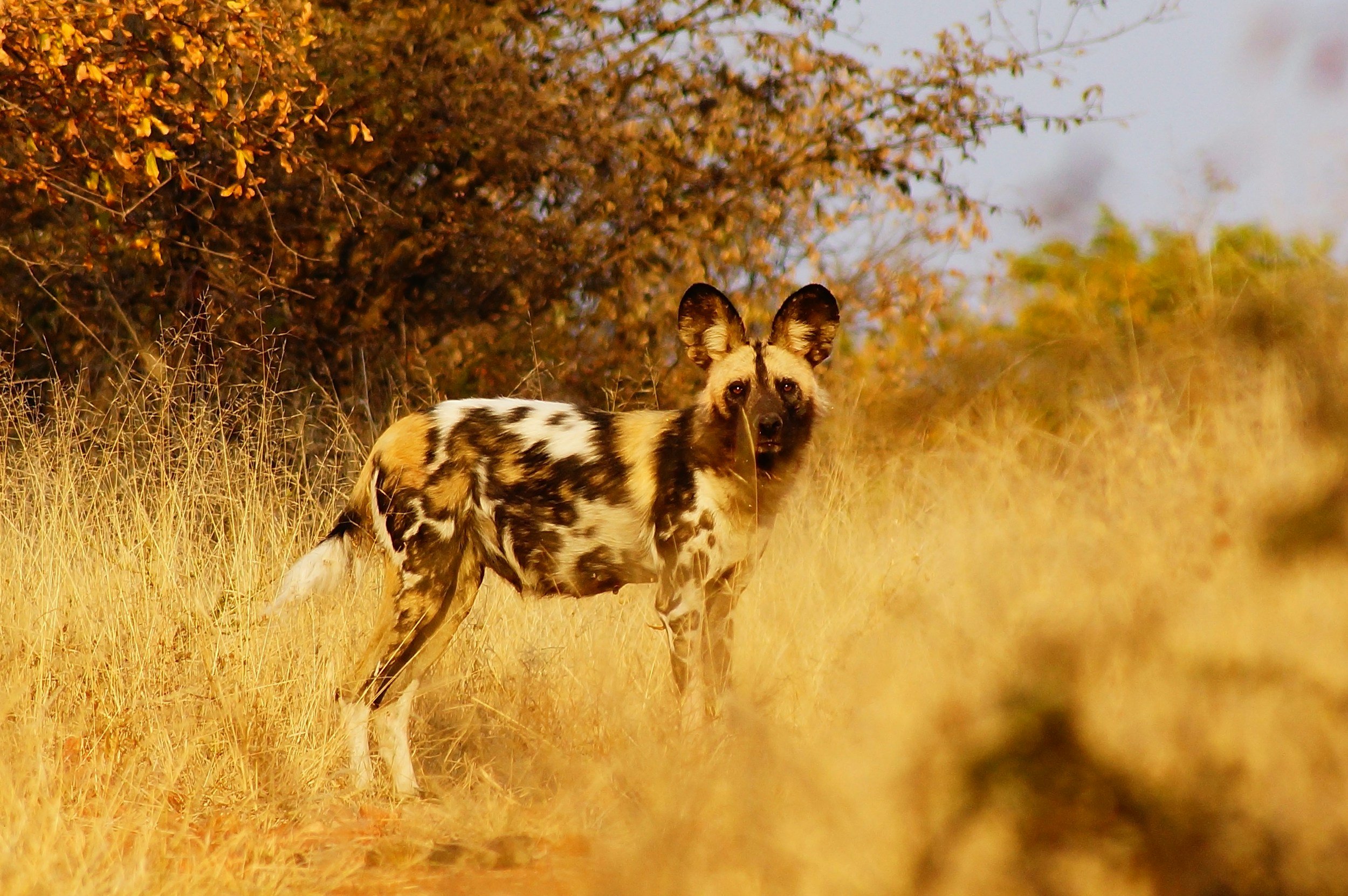
Equally inspiring is the comeback of the endangered African wild dog. Once reduced to just a pair in parts of Kafue, these highly social and vulnerable predators have rebounded into multiple established packs. Wild dogs are particularly sensitive to snaring, habitat pressure, and competition from larger carnivores, so their return is a powerful indicator that conservation strategies are working. Protecting large, connected landscapes, removing snares, investing in ranger patrols, and engaging local communities have all played a role in this recovery.
What makes Kafue’s story so compelling is that it proves restoration is possible at scale. In a landscape as vast and unfenced as Kafue, predator recovery depends on collaboration, long-term commitment, and trust between conservationists and surrounding communities. As leopards reclaim their territories and wild dogs once again roam in coordinated packs across the floodplains, Kafue stands as a reminder that when protection is consistent and partnerships are strong, Africa’s great wilderness areas can recover - and thrive.

Explore Kafue National Park with us?
Explore Southern Africa with one of our expert private safari guides - Carl Nicholson knows Zimbabwe and Zambia like the back of his hand and shows the best that Kafue can offer.
Get in touch to learn more: