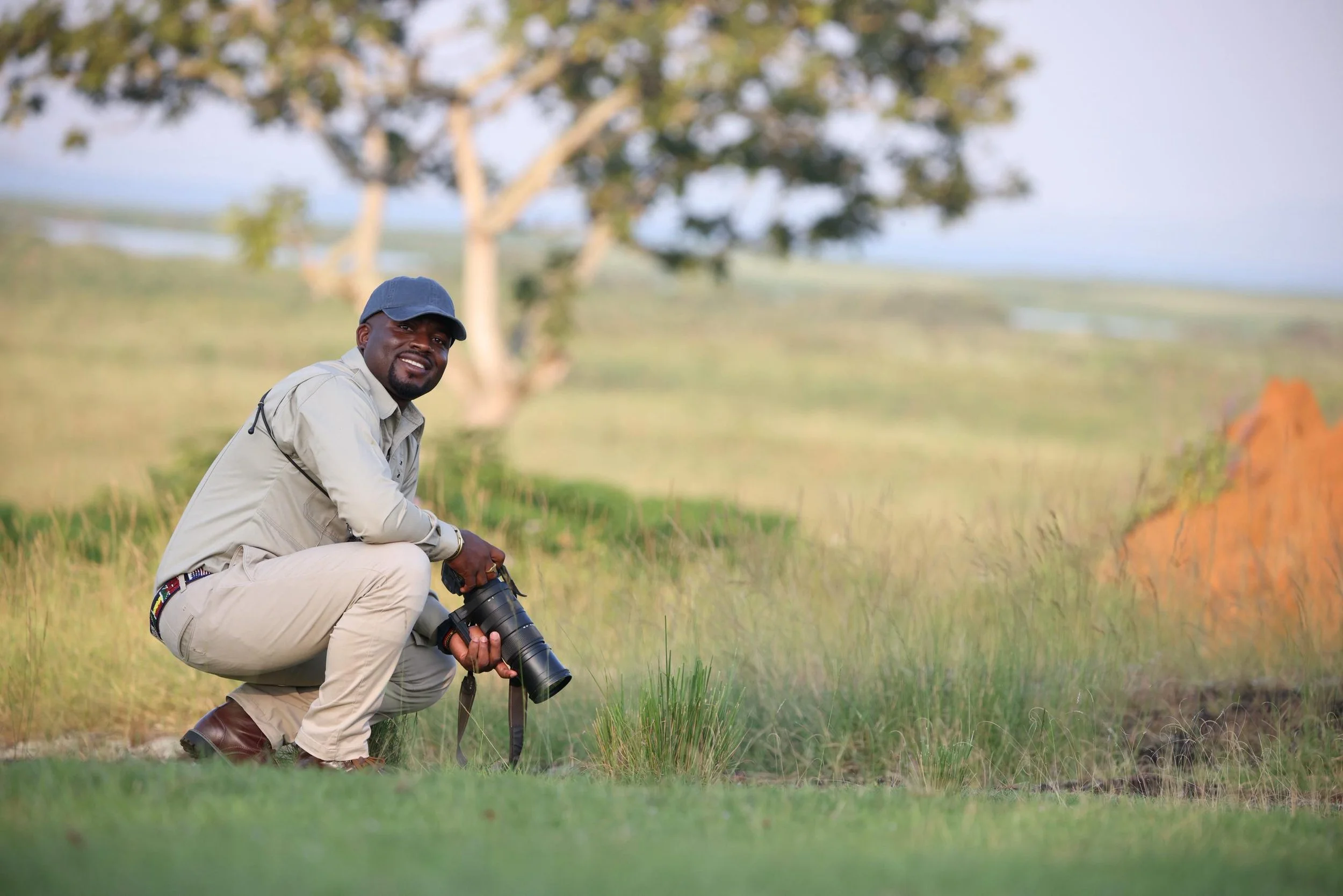
How much does a private safari guide cost in Africa for my safari?
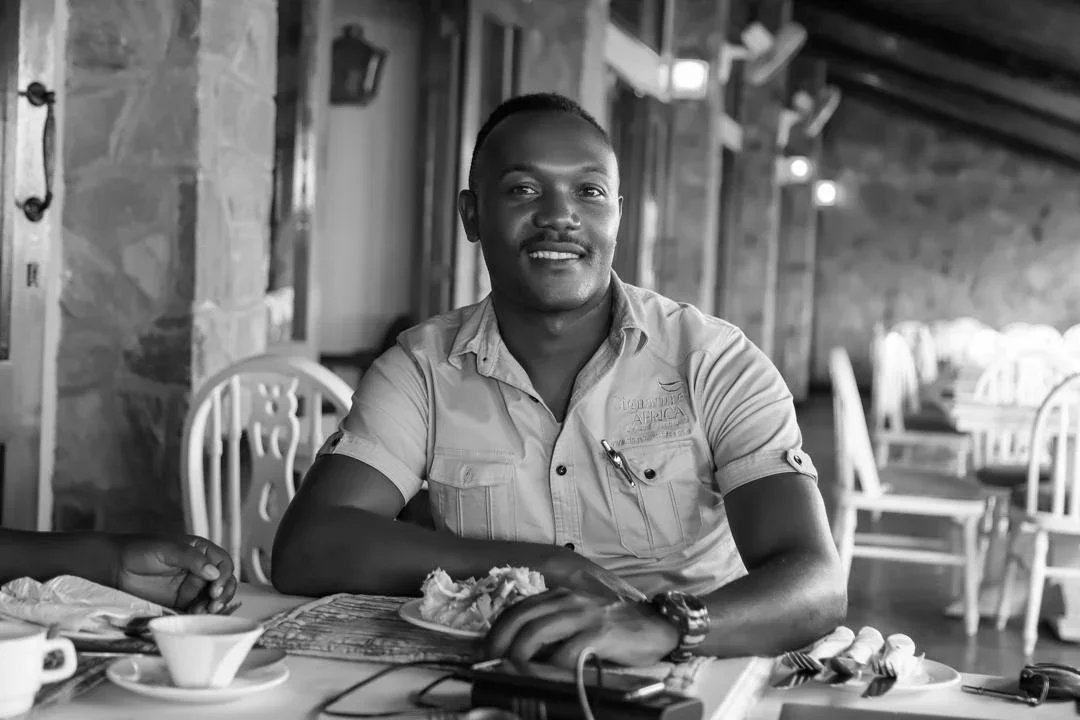
A private safari guide across Africa can costs anywhere between $100 and $1,500+ per day, depending on the guide's experience, qualifications and specialism, and on which country or region they work in. Entry-level private guides start from around $100 a day, while the most experienced, internationally recognised guides with decades of field expertise can command $1,500 or more per day. This fee is separate from your accommodation, park fees and transport costs, and covers the guide's expertise, planning and presence throughout your safari, whether that's in Kenya, Tanzania, Uganda, Rwanda, Botswana or elsewhere on the continent.
What actually affects the daily rate
Not all private guides are priced the same, and the difference usually comes down to a few clear factors:
Experience and qualification level: most African countries with an established safari industry have their own professional grading system. In Kenya, for instance, guides are graded by the Kenya Professional Safari Guide Association (KPSGA), from Bronze through to the rare Gold level. In South Africa, the more well-known Field Guide Association of Southern Africa offers training and awards for those spending up to a year with them. A guide at the top of their country's grading, with decades of field experience across subjects like ornithology, tracking, botany and cultural history, sits at the top of the pricing scale wherever they work.
Specialism: a guide with a specific area of expertise, such as birding, walking safaris, photography or a particular region's culture and history, tends to charge more than a generalist guide, simply because that depth of knowledge is harder to come by.
Group size and complexity: a guide looking after a single couple is a different job to one managing a multi-generational family group with varying interests and paces. Guides who regularly manage larger or more complex groups often price accordingly.
Language ability: guides fluent in multiple languages, particularly beyond English and their tribal language, are in shorter supply and typically sit at a higher rate. Many APGN guides guide in French, Spanish, Russian, Hindi, Mandarin and more.
Where they guide: a guide working across several countries or remote regions, with the logistics and travel that involves, may charge differently to one guiding within a single, well-established circuit.
What's included in the daily fee
A private guide's daily rate covers their time, expertise and full attention for the day. Through a network like the African Private Guides Network (APGN), it also comes with back-of-house support that the guide themselves doesn't charge you for directly: booking coordination, licensing and insurance, and a point of contact should anything need adjusting mid-trip. What it doesn't typically include is the guide's own accommodation and meals while travelling with you, which are usually arranged and paid for as part of the overall safari booking, nor park fees, flights or the cost of your own accommodation.
Private guide vs. a generic driver-guide
Most people who go on safari in Africa without booking a private guide separately will still have a guide of sorts, usually the driver attached to their vehicle or camp. This is often included in the cost of the trip and can be a perfectly good, knowledgeable companion. The difference with a dedicated private guide is continuity and depth. A private guide travels with you across camps and properties, gets to know your interests on day one and adapts the whole trip around them, rather than handing you between different camp staff at every stop. For a specialist interest such as birding or walking, or for a family that wants one familiar, trusted face throughout, that continuity is usually what people are actually paying the difference for.
The camp I have booked already has guides, so why do I need my own too?
A private guide works alongside a lodge or camp's own guiding team rather than replacing them; the camp guides know their own traversing area in exceptional depth, while your private guide knows you, travels with you between properties, and holds the whole trip together. In practice, your private guide will often connect and combine with the local camp guide for a specific game drive or activity where that guide's knowledge of the immediate area is sharpest, while staying involved to make sure the day still fits your interests and pace. The two roles are complementary rather than competing.
This matters most on multi-camp itineraries. Each camp's guides are experts in their own patch of bush, but they only meet you for the days you're there and start again from scratch with the next group. Your private guide is the constant thread: they already know whether you'd rather skip the sundowner and chase a leopard sighting, whether the children need a shorter afternoon, or whether you're building towards a particular sighting or story across the whole trip. They also handle the small frictions a camp guide isn't positioned to, such as adjusting plans on the fly between properties or acting as your advocate if something isn't working.
Is it worth the extra cost?
For a first-time safari-goer, a family with children, or anyone with a specific interest they want the trip built around, most guests find the added cost justified by the smoother logistics, the tailored pace and the depth of local knowledge on hand throughout. For a shorter trip to a single well-run camp, a private guide is more of a genuine add-on than a necessity, since a good camp guide may cover much of the same ground.
If you'd like help matching a private guide to your budget, group and interests, get in touch with APGN and we can talk you through the right fit.