Wickliffe Odera
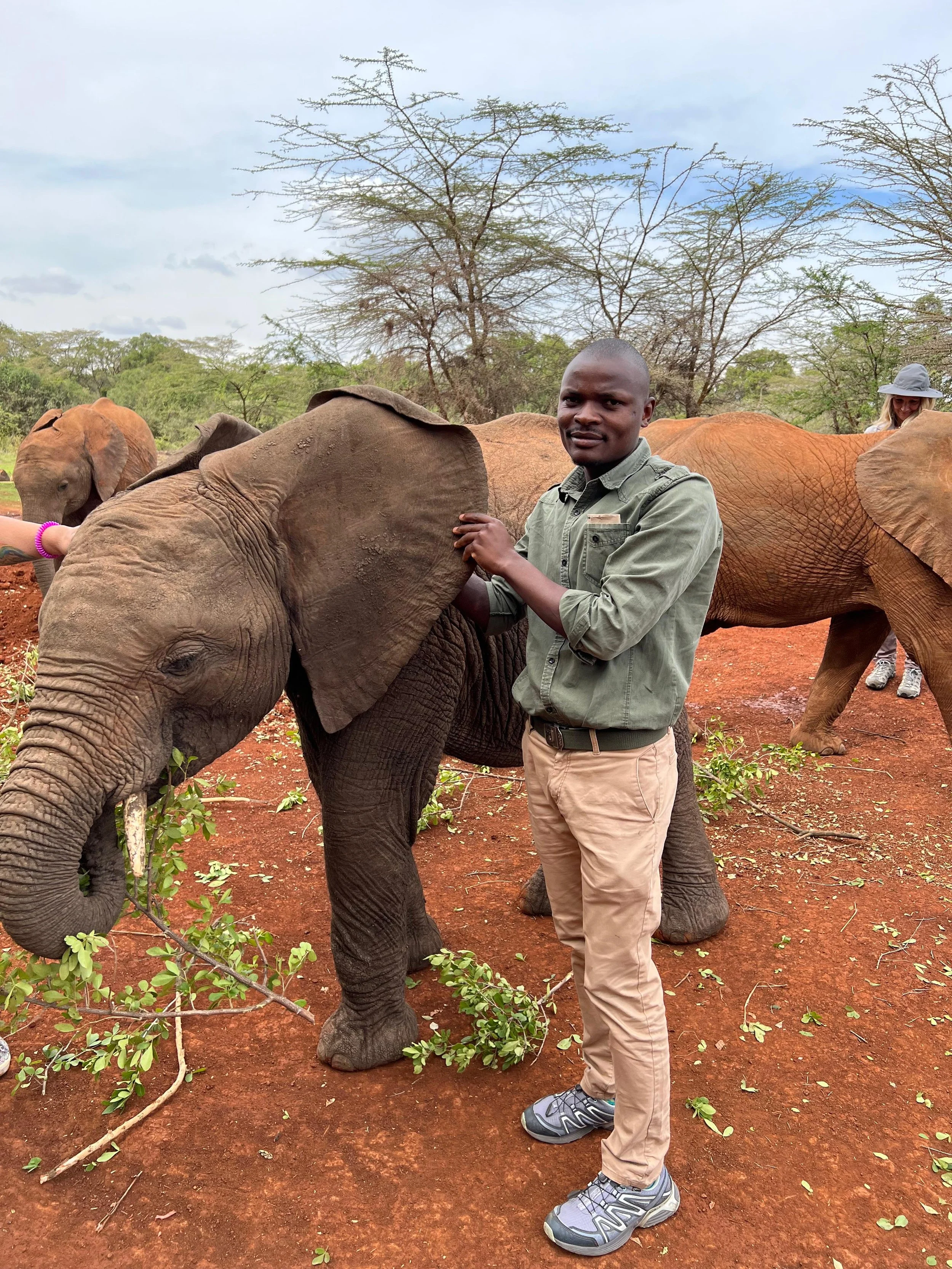
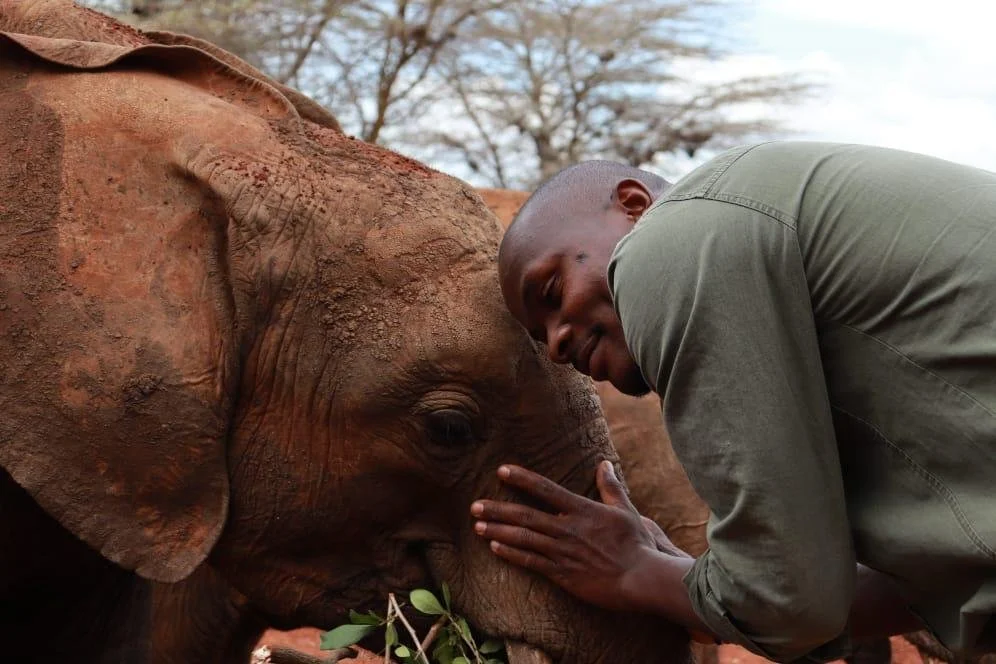
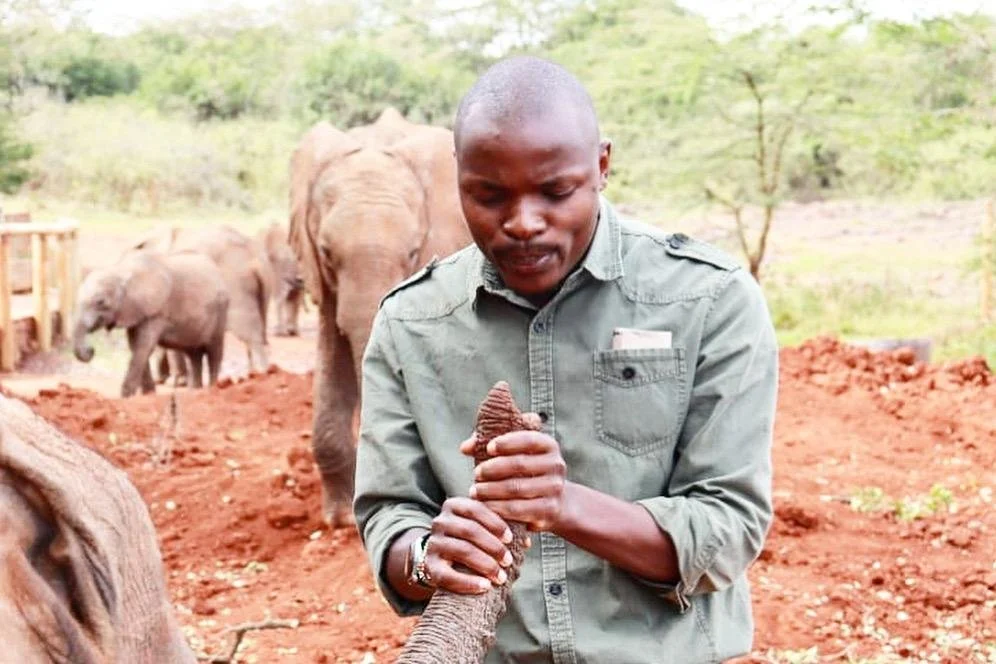
Long before Wickliffe Odera ever held a pair of binoculars, he was already reading the wild. Growing up in a village in western Kenya, not far from the shimmering edges of Lake Victoria, his childhood was governed by the rhythms of the natural world. In a place where you made your own toys and caught your own pets, the bush was not a destination - it was the backyard, the playground, the classroom.
By the age of eight, he could identify a nest by its architecture alone - the precise weave of a weaver, the mossy cup of a robin chat, the dangling pouch of a sunbird - before he knew a single English name for any of them.
The birds came first through necessity. Young boys in the village kept doves as pets, but since you couldn't always buy one, you had to find one, which meant learning exactly which nest belonged to which bird, and understanding enough about behaviour to time your approach. It was an informal, instinctive field craft. Wickliffe learned to distinguish flycatchers from finches, weavers from wagtails, kingfishers from sunbirds. He knew the black kites and long-crested eagles too - not with admiration, but with the wariness of a child whose family kept chickens. And every morning, before school, he was woken not by an alarm but by the cascading song of the white-browed robin chat at dawn.
It was, looking back, the most natural education imaginable. And it was just the beginning. When he later trained formally as a guide and encountered ornithology as a discipline, something lit up. "I dived in," he says, "without looking back."
Wickliffe's path into professional guiding took him through Kenya Utalii College and then to Ecotraining South Africa, where he earned his FGASA Field Guide and Trails Guide qualifications. These credentials gave form to instincts he had been sharpening since childhood and opened doors to some of the most demanding and rewarding work in the industry.
His home ground has been the remote mobile camp circuit - small groups of discerning clients, deep wilderness, no shortcuts. It is a world where preparation matters as much as personality, and where the guide sets the tone for everything. "These are people paying premium fees with very high expectations," he reflects. "Dealing with individual personalities wasn't a walk in the park." But neither was it a burden; it was where he learned what classroom training can never teach: how to read a person as fluently as a landscape.
When COVID-19 brought tourism to a complete standstill in 2020, Wickliffe did not go quiet. He stepped in front of a camera for the Kenya Tourism Board's #MagicalKenyaLive campaign, broadcasting live virtual safaris on Facebook, Instagram, and YouTube to wildlife lovers stuck at home across the world. It was a revelation and a challenge. "The virtual audience doesn't forgive when they realise you don't know what you're doing," he says. "You had to have your facts right, be a quick thinker, and reactive." He was all three.
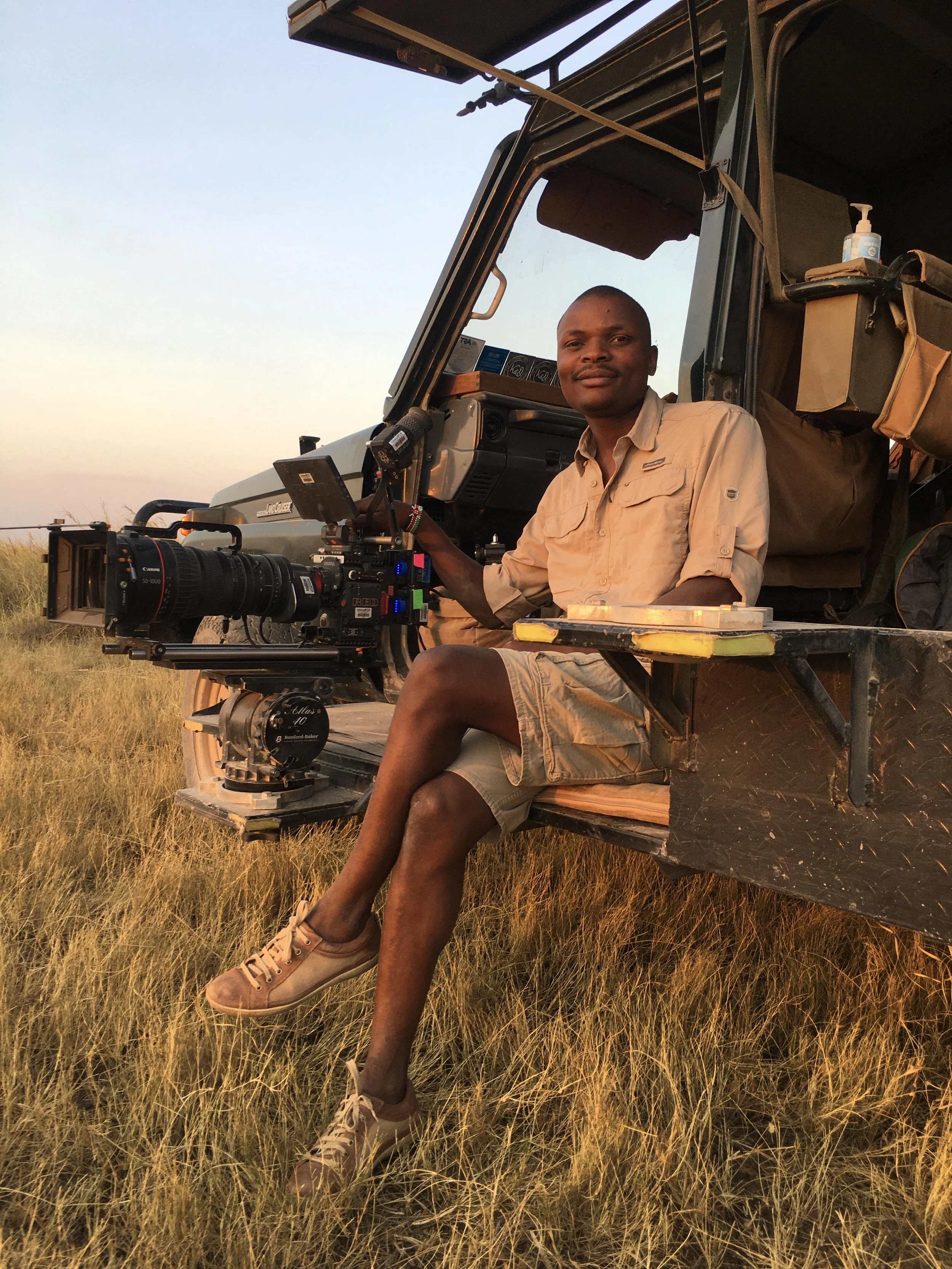
From virtual safaris, he moved into an even more demanding arena: leading film crews for blue-chip wildlife productions. Working alongside Disney, NatGeo, and the BBC, Wickliffe guided camera operators and directors through Kenya's most storied wilderness areas, his role as much scientific advisor as field escort. "Every piece of information you give as a guide has to be factual and accurate," he says of the experience. "Filming is an extremely high-skill, high-demand job." It sharpened him in ways nothing else had.
Through all of it - the mobile camps, the live broadcasts, the film sets - a single conviction has run like a thread: that conservation only succeeds when communities benefit from it. He has watched livestock grazing erode the edges of the Maasai Mara and Amboseli, seen litter accumulate where guides failed to educate their clients, and witnessed the slow underfunding of the communities who share fences with the wildlife that the world pays to see. "If part of the money from park fees is used to genuinely improve people's lives," he says, "it would go a long way." He is not just observing the problem. He is part of the solution.
Home location: Kenya
Guides in: across East & Southern Africa
Languages: English, French
Speciality: Photography & Videography
Daily rate: $$