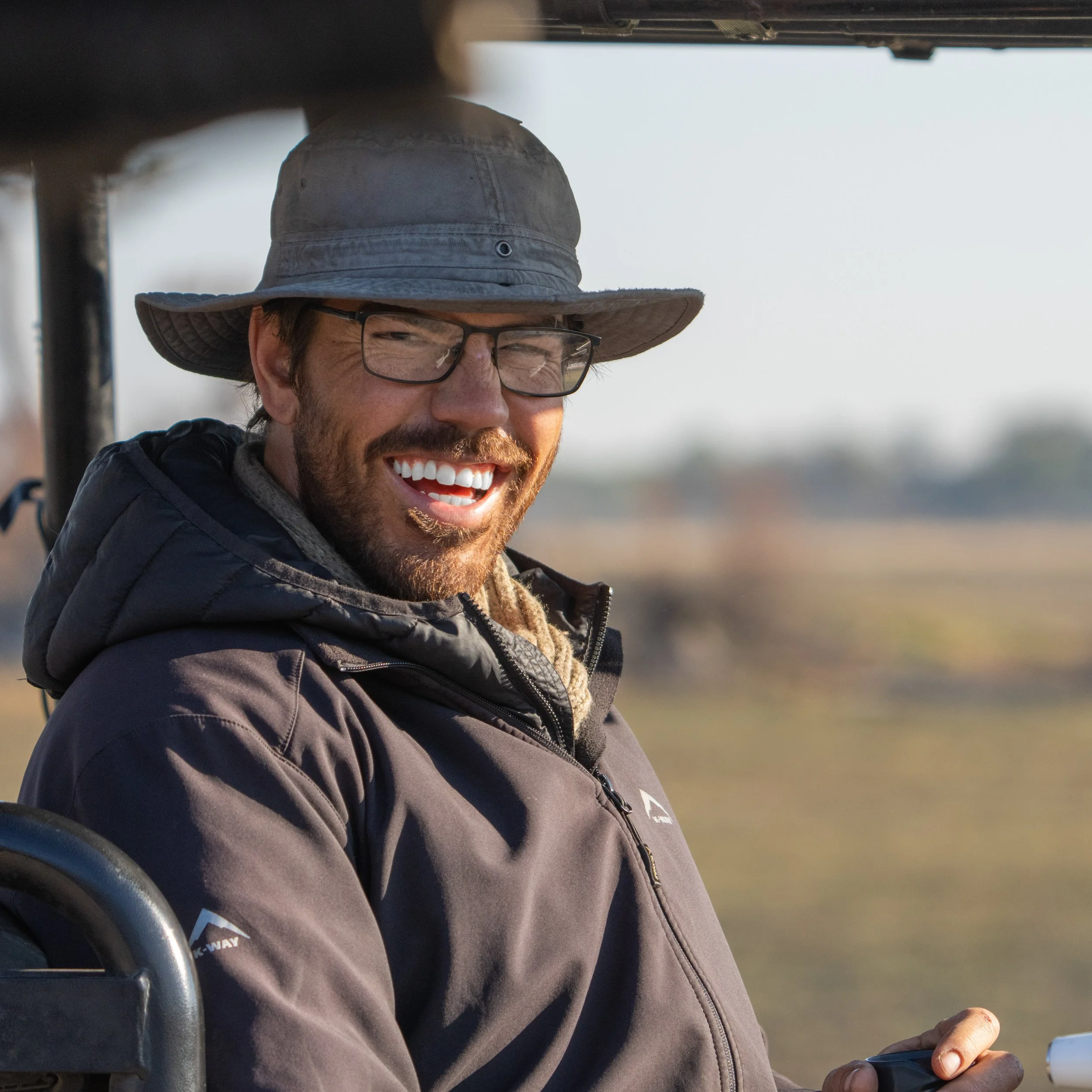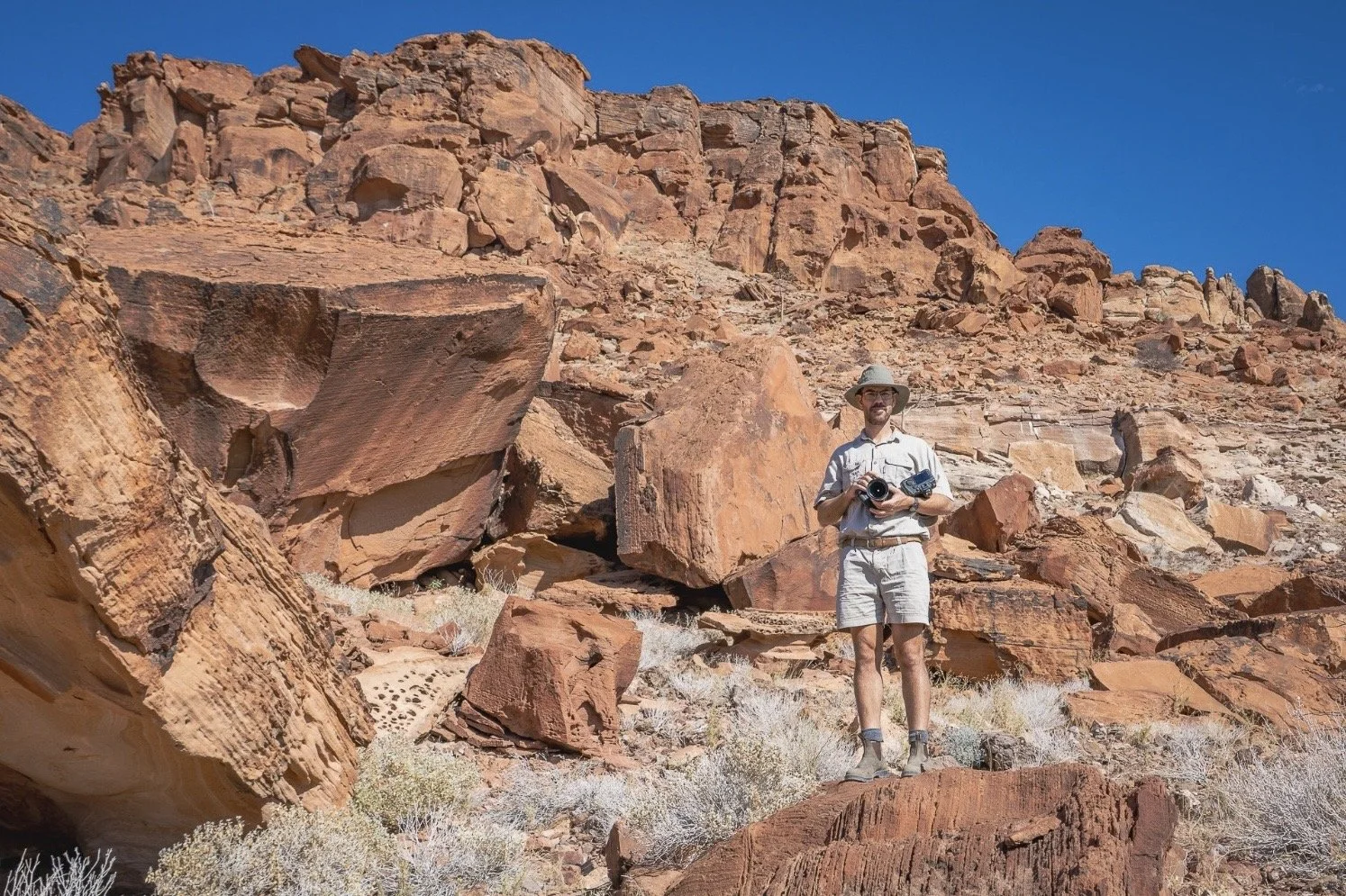
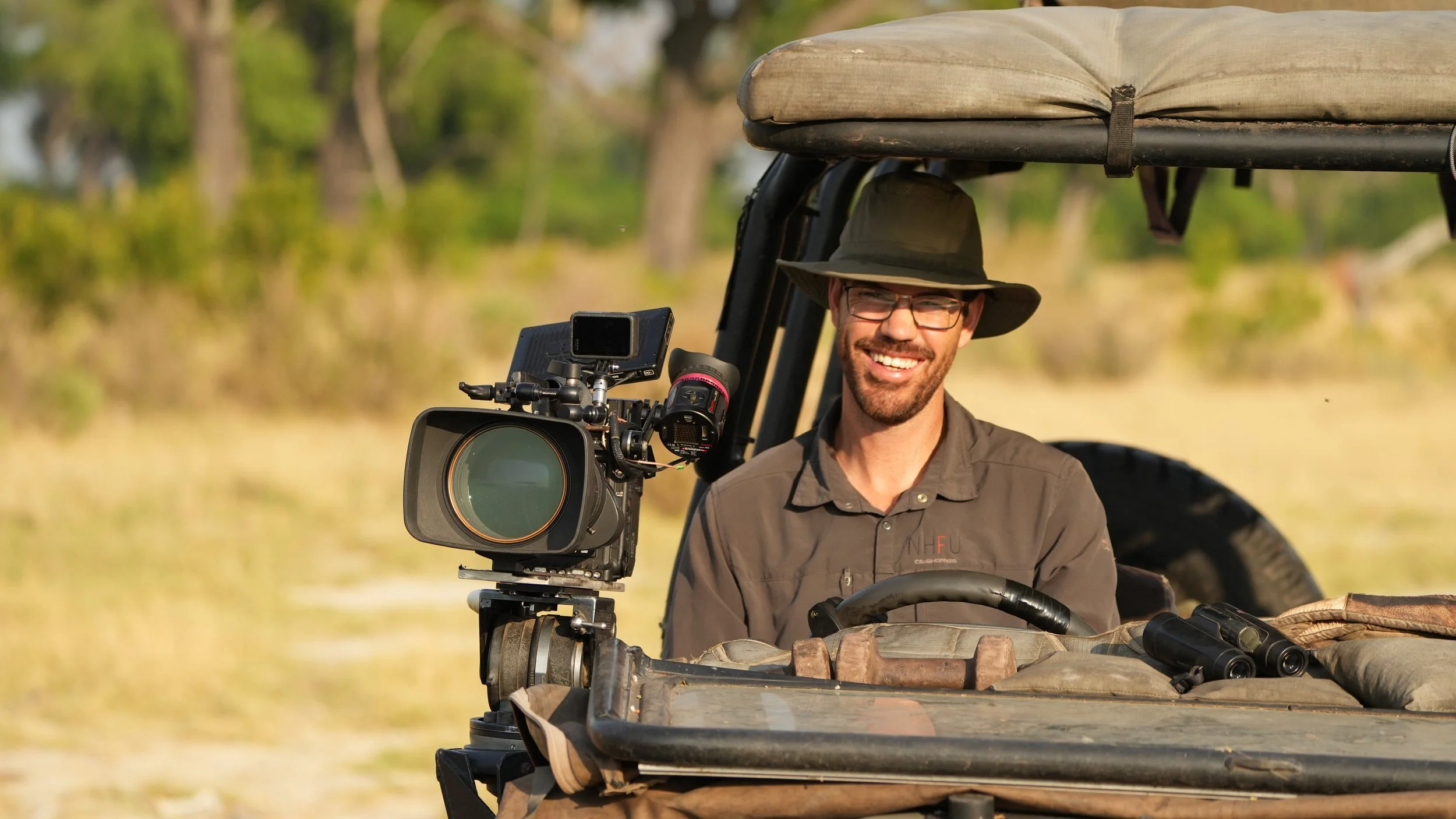
Greg Hartman
Greg grew up on a tobacco farm in rural Zimbabwe, where a neighbouring game farm meant giraffe, zebra, wildebeest and sable were never far from the fence line. He spent most of his childhood walking the bush alone - binoculars, tracks, birds and all the time a kid can want. His mother, he says, was the first person who taught him to actually see: ‘we would walk together and admire all the creatures we came across, from a simple hawk-moth to a towering fig tree. I'm pretty sure the love she had for the natural world is the same love I hold today.’
At fourteen, he watched a crocodile take one of the family dogs from a dam near the farm. No warning, just a quick and brutal action; it's was kind of moment that either ends a boy's relationship with nature or settles it permanently. For Greg, it settled it.
He studied Zoology at the Rhodes University in South Africa, then returned to the bush as quickly as he could. ‘Although I enjoyed learning about the digestive system of a giraffe in the classroom,’ he says, ‘I much preferred watching giraffes feeding in the wild.’ He has been in the field, more or less continuously, ever since.
His professional guiding career began in Botswana - the vast salt flats of the Makgadikgadi Pans and the waterways of the Okavango Delta - where he developed the fieldcraft that still defines his work: tracking, reading animal behaviour, anticipating movement and functioning well in remote environments over long stretches.
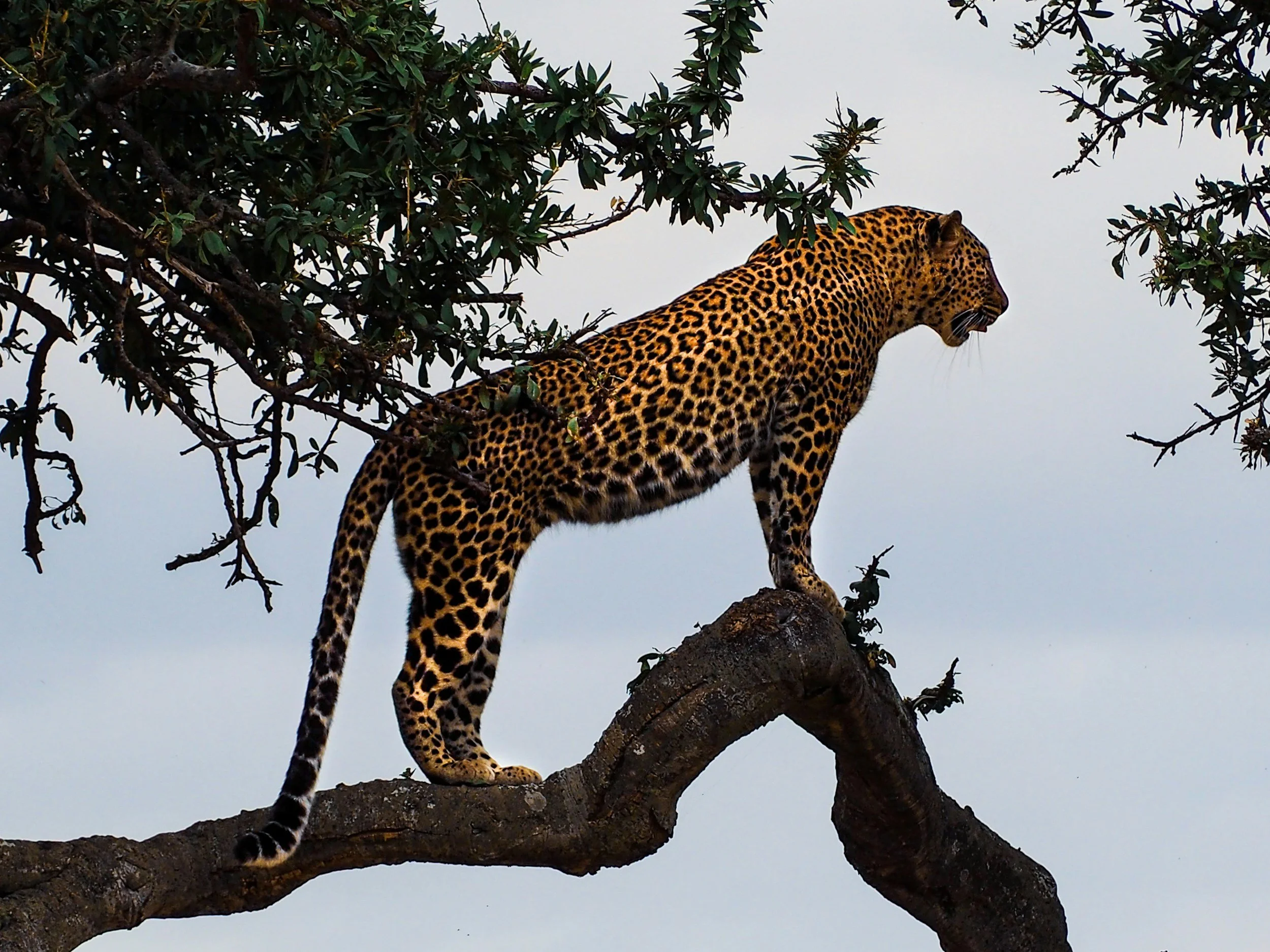
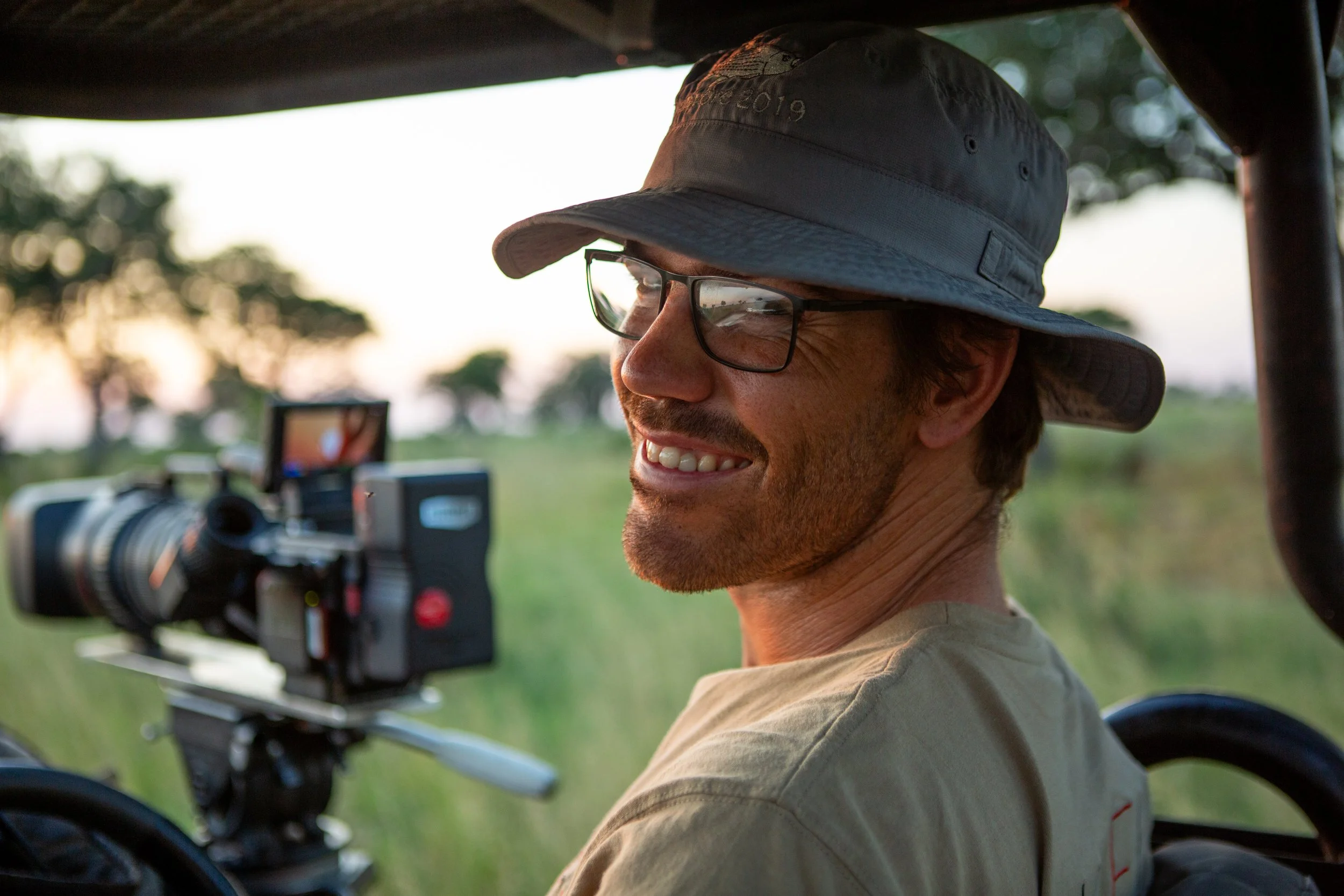
In 2020, a different kind of opportunity arrived. Greg joined a professional wildlife filming team in the Okavango, contributing to two landmark productions: Living with Leopards (Netflix) and Big Cats 24/7 (BBC & PBS). For more than two years, he and a small crew followed a single leopard female and her cubs through every season of their lives. Eight, nine, ten hours a day in the field, much of it alone. The work demanded a quality of attention that ordinary guiding rarely requires - not the broad awareness of a vehicle moving through landscape, but the deep, sustained focus of someone trying to find one specific animal in thousands of square kilometres of bush, day after day, with very little to go on.
‘Three years into filming, I started finding leopards and lions with increasing regularity when I had very few clues to go by,’ he reflects. ‘Something was going on subconsciously, I could predict an animal on a level I had never thought possible before.’
That period reshaped how he reads the bush. The patience, the solitary hours, the instinct that only develops through sustained observation - guests on safari with Greg benefit from all of it. His guiding is grounded in genuine fieldcraft, sharpened by an experience that most guides will never have, and delivered with the quiet confidence of someone who has spent years learning to let the landscape speak first.
Greg is now based across southern Africa, guiding primarily in Botswana and Zimbabwe. What guests get with him is not a rehearsed commentary on what they're looking at, but an ongoing, real-time reading of the environment - why the impala are alert, what the oxpeckers are telling you, where the leopard probably moved after dark. He notices things others miss, explains them without overloading, and has a particular gift for finding predators in conditions where most guides would have already moved on. For anyone who wants to understand the bush rather than simply pass through it, that distinction matters.
Home location: Zimbabwe
Guides in: Zimbabwe, Zambia, South Africa, Botswana
Speciality: Videography & photography
Languages: English
Daily rate: $$$$