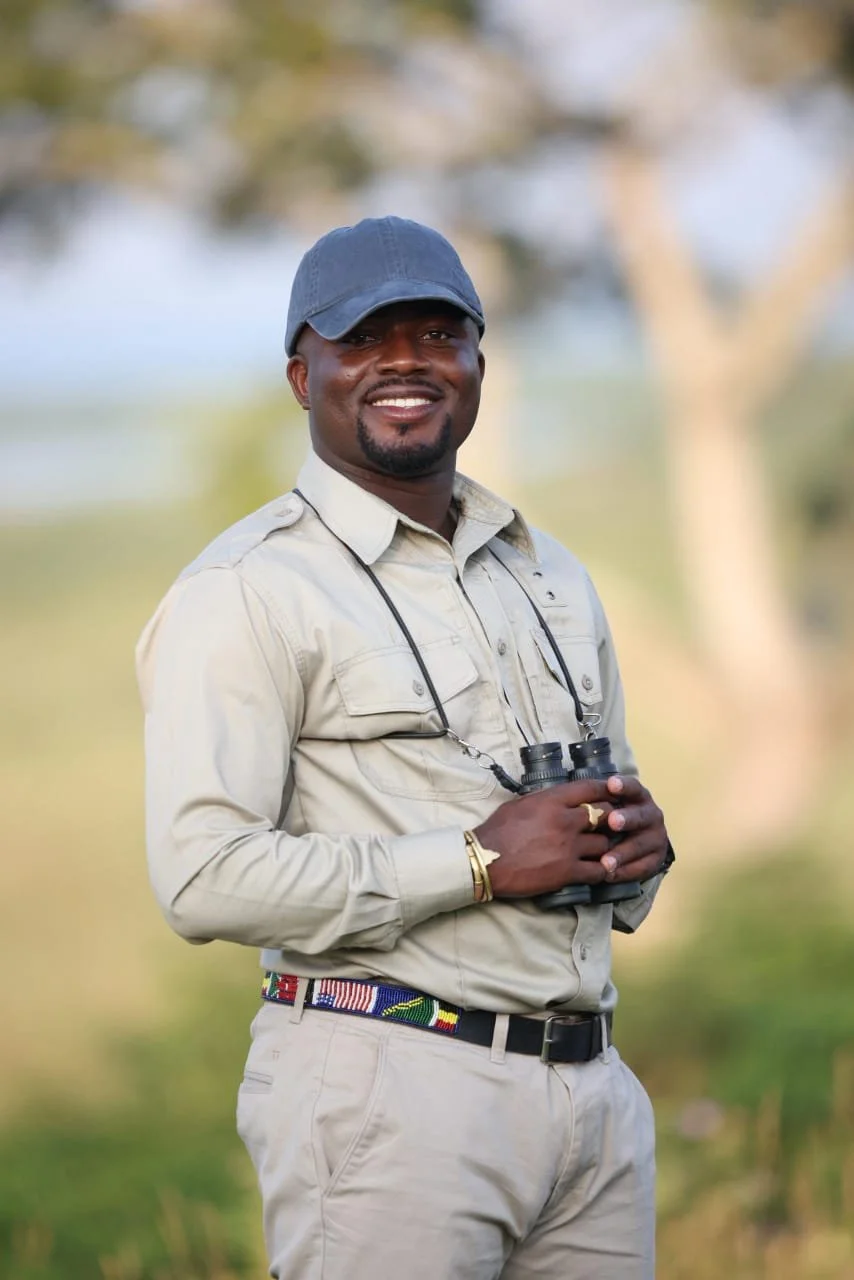
Brian Batsurana
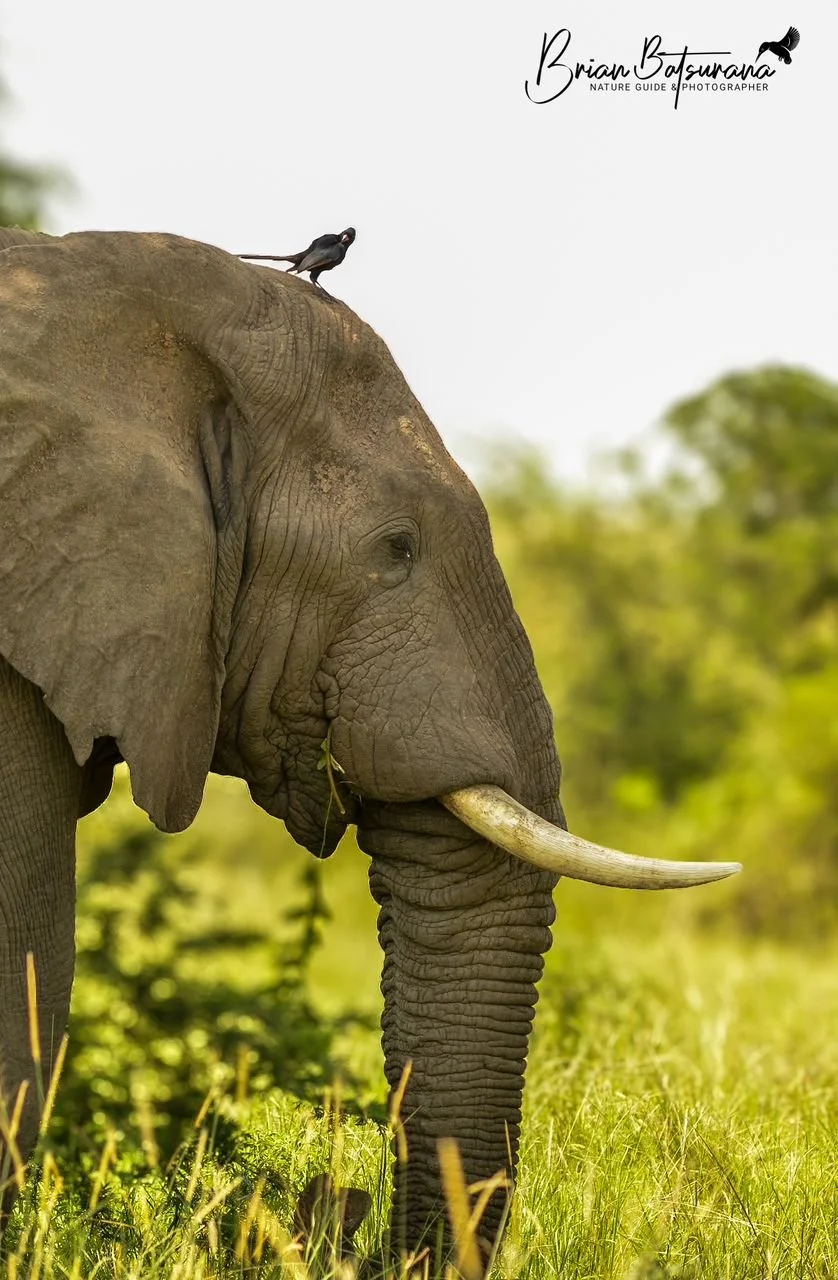
Brian grew up fifteen metres from the water, in Katwe, a fishing village on the shores of Lake Edward in Uganda's Queen Elizabeth National Park, he woke each morning to the sound of hippos returning to the lake and fell asleep to the rhythm of the waves against the shore. Fish was never missing from the table, and the days between were spent among elephants, warthogs, antelope, and the hippos that shared his shoreline. He didn't study wildlife to know it - he simply grew up inside its world, learning the behaviour of animals the way other children learn the streets of their town.
Katwe was more than a fishing village. A salt-mining harbour since the 16th century, it drew traders and workers from across Uganda and the wider East African region, and with them came a chorus of languages spoken side by side for the ease of trade. Brian absorbed them all. Today he is fluent in English and ten indigenous languages, including Kiswahili, the region's lingua franca - but to him these are far more than tools for communication. Each language carries the culture and tradition of the people who speak it, and they allow him to step into new places not as a visitor, but almost as a native.
Guiding was never the plan. As a boy, Brian dreamed of becoming a television presenter; his mother hoped he would be a doctor. In a community where guiding was barely recognised as a profession, the idea took root quietly - nurtured by his early encounters with foreign travellers through a teacher exchange programme linking Katwe with a community in Norway. The wild had always been his, but it took time to realise he could make a life of sharing it.
The turning point came in February 2017. While conducting academic research in Bwindi Impenetrable National Park, the then-23-year-old came face to face with mountain gorillas for the first time, and the experience reshaped everything he thought he knew about the forest and its primates. One moment in particular has never left him. Sitting quietly on the forest floor among a group of four, he watched as a three-year-old juvenile from the Rushegura family chose, of all the people present, to come and sit beside him. The young gorilla stayed for fifteen minutes - then wandered back to his family, only to return dragging his older cousin along to meet the friend he had found. "I cried deeply in my heart," Brian recalls of that humbling moment. "Imagine how this little boy gave me his trust, and then brought his cousin to introduce her to me. That will live with me forever."
That calling now defines his work. Brian is a professional private guide and wildlife photographer, holding a Diploma in Wildlife Tourism Management from the Uganda Wildlife Research and Training Institute, where he focused his studies on mountain gorillas, along with FGASA Level 2 and NCQF Level 4 certifications from the African Guide Academy in Botswana. His training in Botswana was its own revelation - a completely different world of four distinct seasons, unfamiliar vegetation and wildlife he had never seen, in an ecosystem he'd previously imagined existed only in Europe.
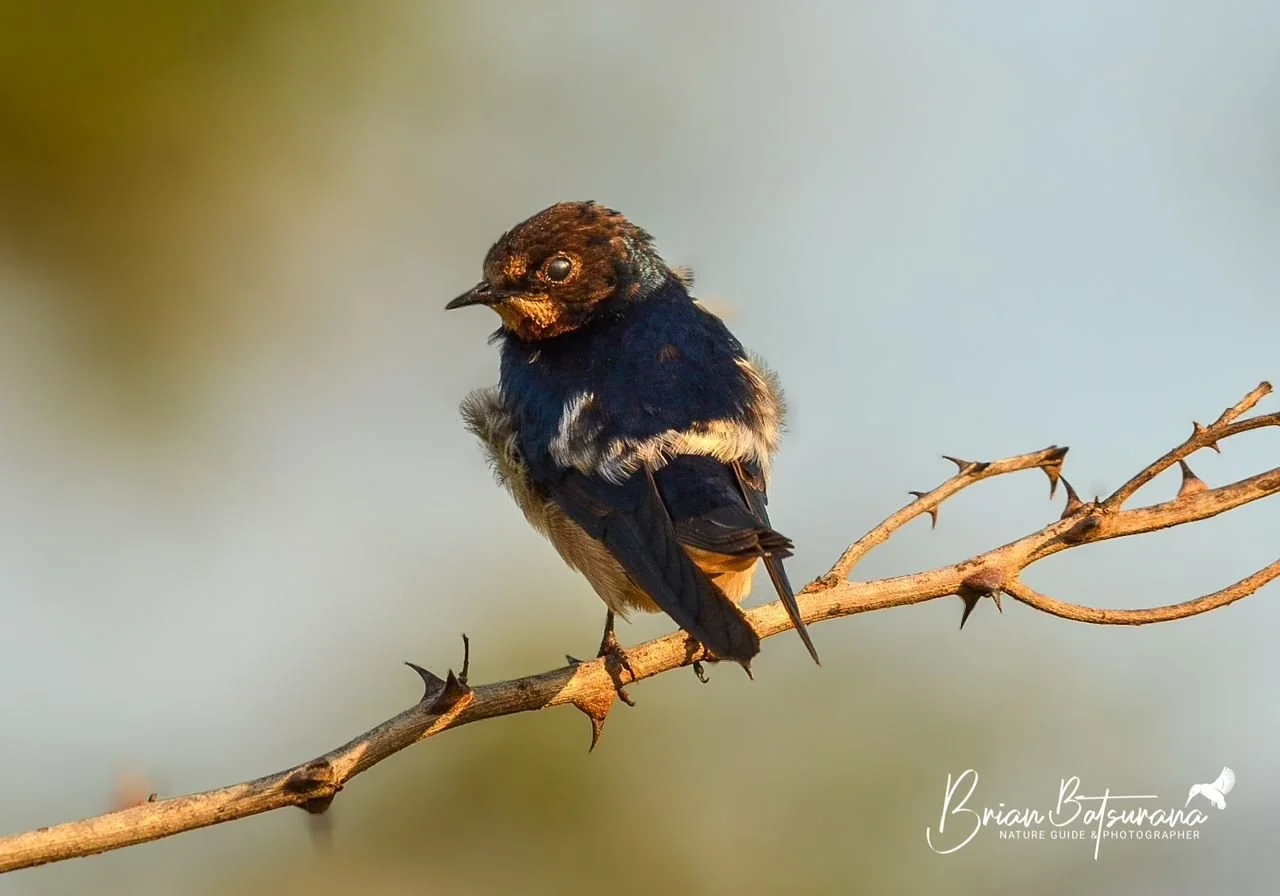
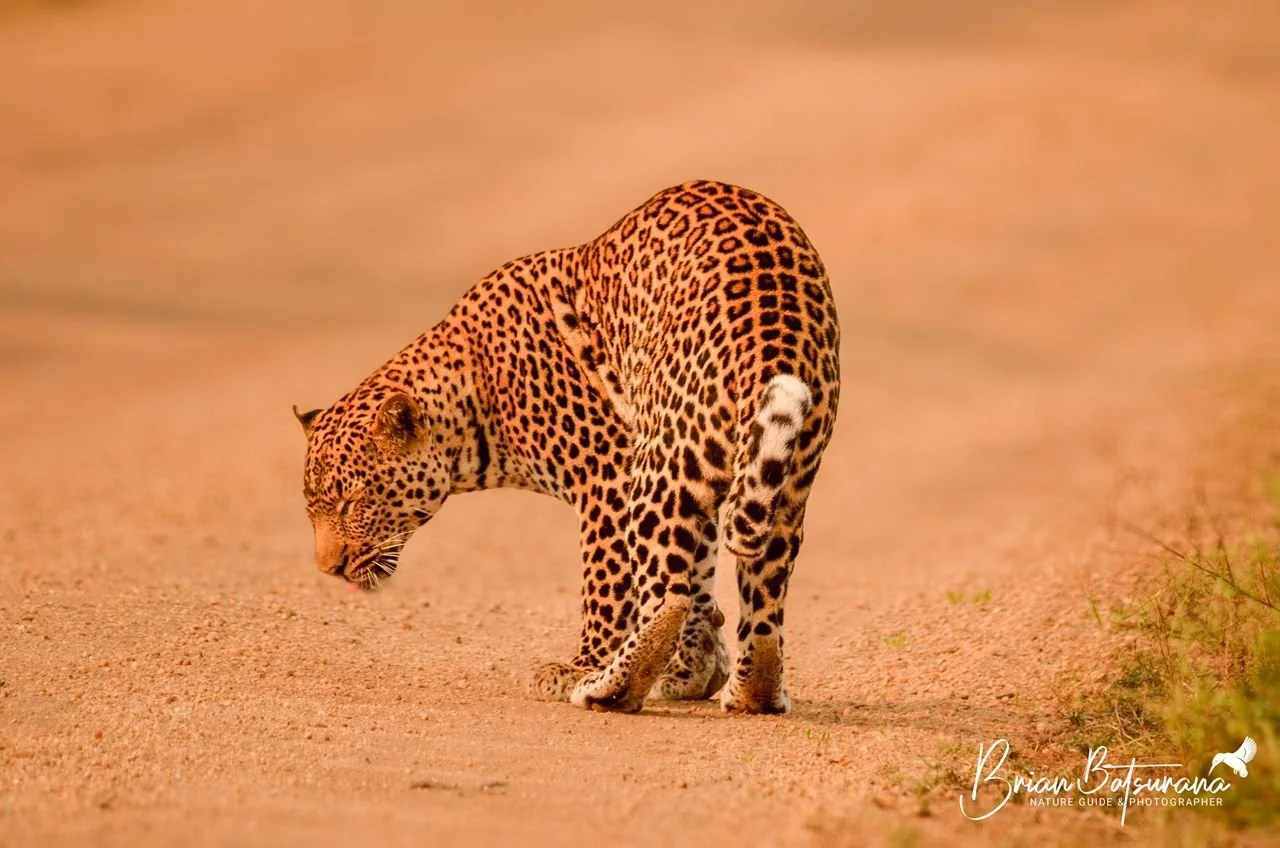
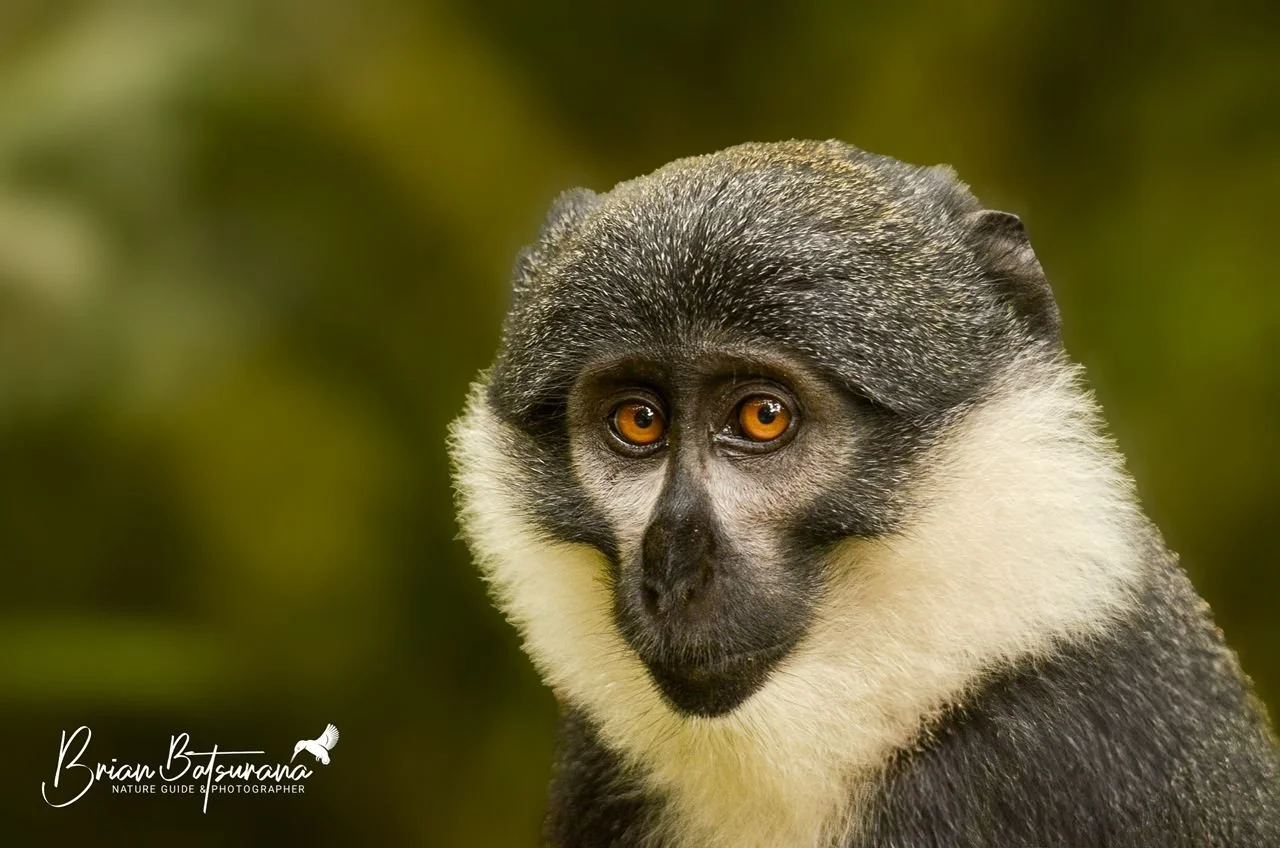
While he is best known for guiding gorilla and chimpanzee treks through the misty forests of Bwindi, Mgahinga, and Nyungwe, Brian's knowledge runs deep and wide - across birds, mammals, reptiles, butterflies, plant life and local culture. He weaves scientific insight with storytelling in a way guests describe as transformative: full of laughter, learning, and deeply moving moments in the wild. Whether birdwatching along the Kazinga Channel, tracking lions across the Ishasha plains, or leading a once-in-a-lifetime trek in the Virunga volcanoes, he brings warmth, professionalism, and an ever-present smile to every adventure. He is currently learning Spanish, driven by a desire to keep growing and to connect with travellers beyond the reach of the languages he already speaks.
Brian is honest about the realities behind the romance of guiding. It is beautiful work, but community guides see a side of it that outsiders rarely do - the assumption that they are wealthy, the weight of expectation from those who depend on them, and the long, demanding excursions undertaken to keep their skills sharp. Yet he carries it with pride, because he knows what it represents. As the only professional guide ever to come from his village, Brian has become a living inspiration to guides across Uganda and beyond, mentoring and training emerging guides in Tanzania, Kenya, and Rwanda. His message to them is the same one that has guided his own life:
"Focus way beyond the ordinary. Stay professional, learn as much as you possibly can, and always be willing to admit that we are, all of us, Mother Nature's students."
Home location: Uganda
Guides in: Mainly Uganda & Rwanda, but also Kenya, Tanzania and southern Africa
Languages: English, learning Spanish
Daily rate: $$