The Okavango Delta: A River That Ends in the Desert
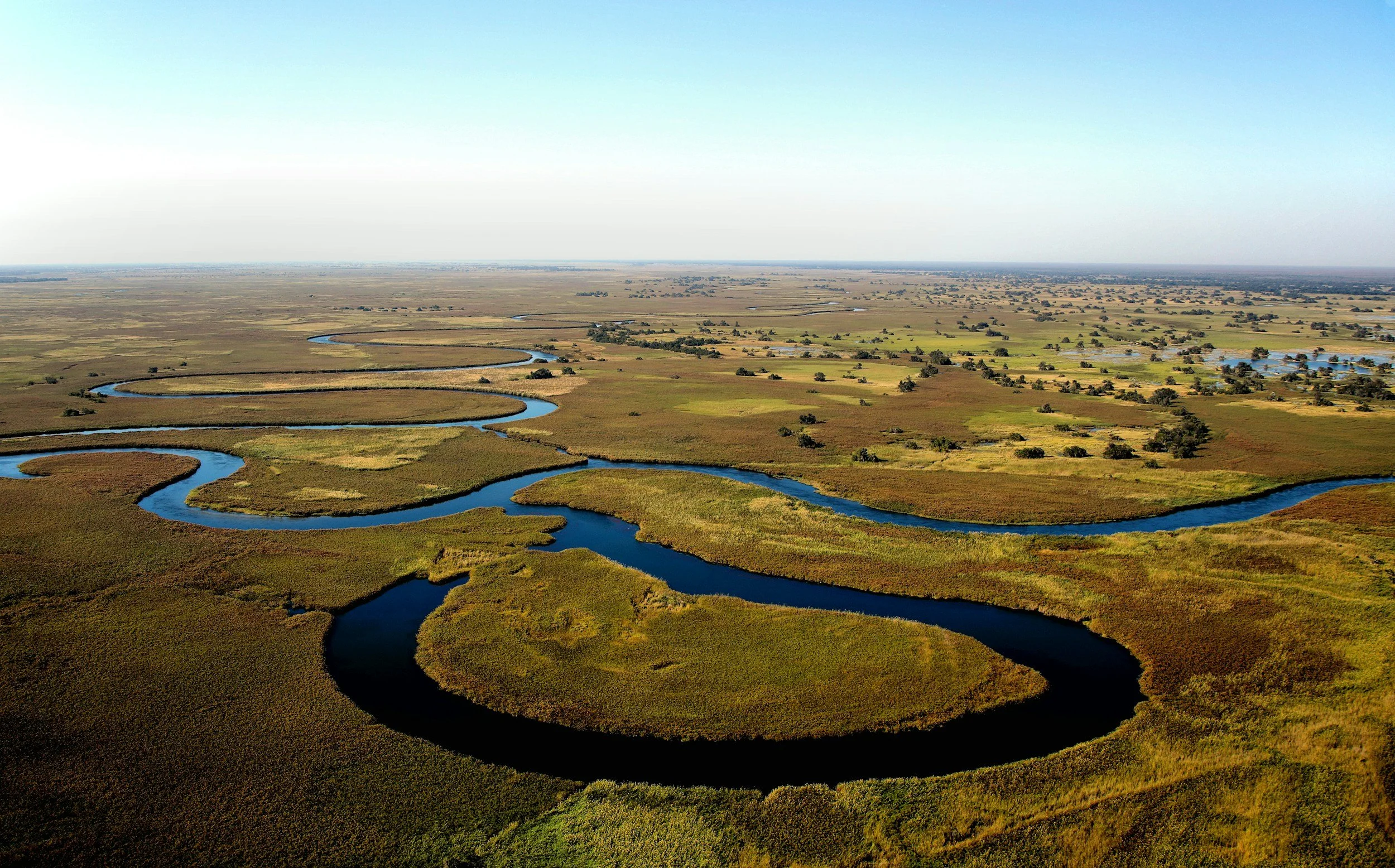
By rights, the Okavango shouldn’t exist. A river rises in the highlands of Angola, travels more than 1,000 kilometres south, and instead of reaching the sea it runs out into the sands of the Kalahari. There it spreads, slows and sinks away, leaving behind a maze of channels, lagoons and islands in one of the driest corners of southern Africa.
The timing is the strangest part. The rains fall in Angola early in the year, but the water takes months to make its way down. By the time it arrives in Botswana, the local rains have long finished and the land around the Delta is at its driest. The floods come just as everything else is drying out. Almost none of that water ever leaves again; most of it is lost to evaporation or drawn up by the plants that line the channels. It is this unusual cycle, more than anything, that earned the Delta its place on UNESCO’s World Heritage list.
Papyrus, floodplain and island
Spend a few days here and you begin to notice how quickly the landscape shifts. Papyrus-lined channels open onto lagoons scattered with water lilies, which give way to wide floodplains, palm-fringed islands and stretches of mopane woodland. Each of these holds its own set of animals.
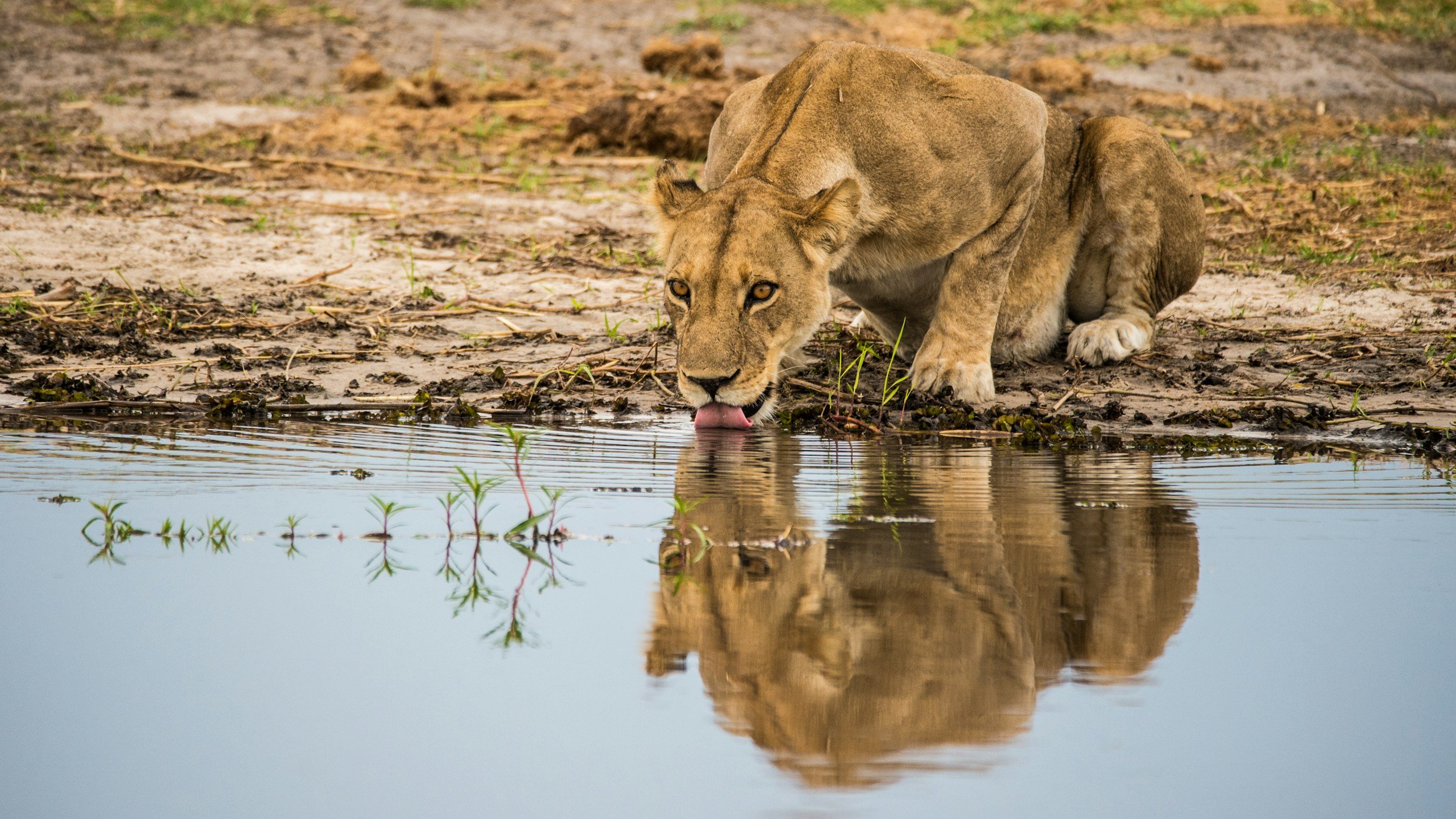
Elephant, buffalo, giraffe and zebra move between them, while hippo and crocodile keep to the deeper water. Lion, leopard, cheetah and wild dog are all here too, though where and when you find them depends a great deal on the area and the season. For many guides, though, the real pleasure lies in the species you won’t find elsewhere so easily. Red lechwe splash through the shallows with a speed no other antelope could manage in water. Sitatunga, shy and rarely seen, keep to the reed beds. Sable and roan turn up in the drier woodland. And the birdlife, in and around the wetlands, runs to hundreds of species.
Seeing it from the water
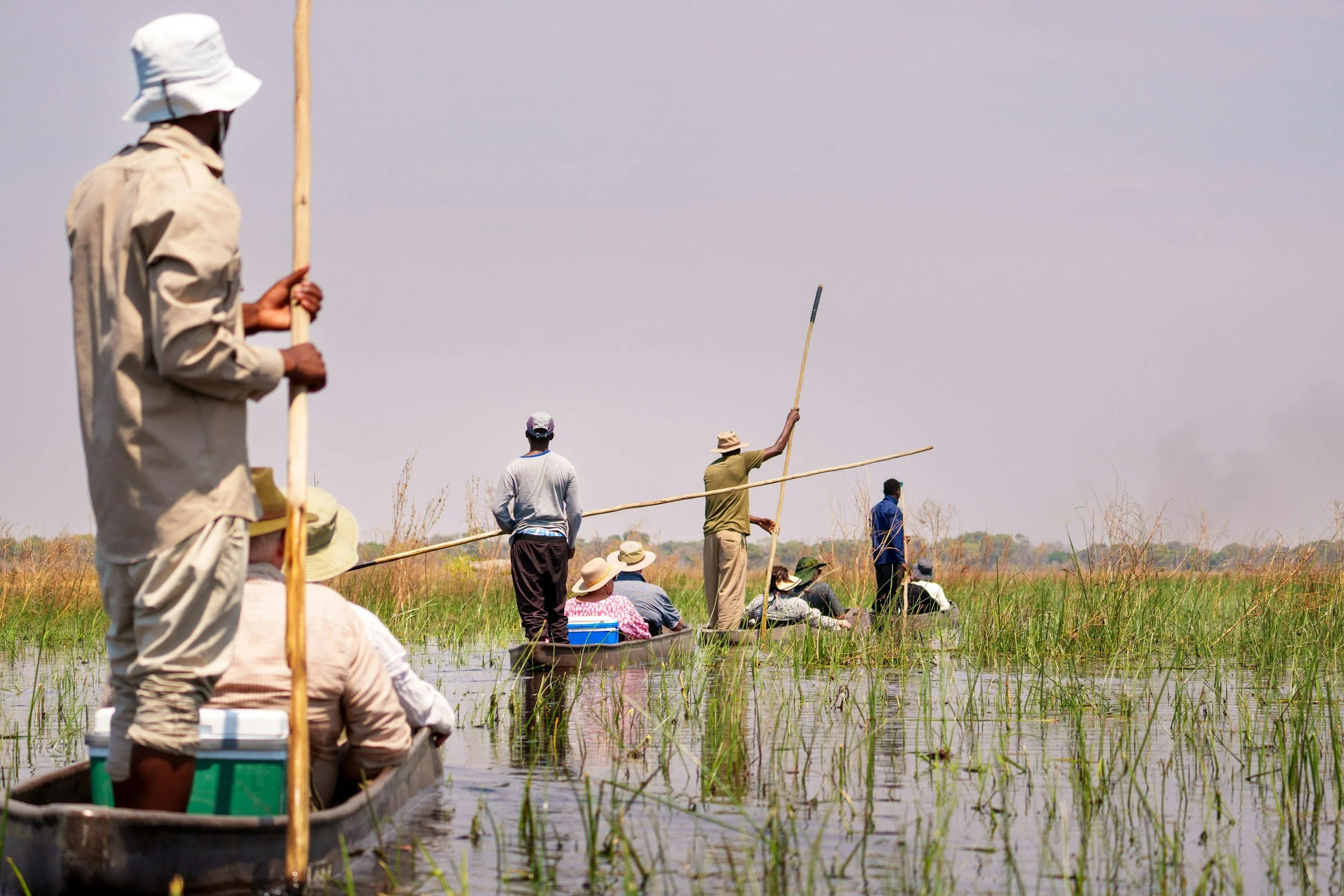
Much of the Delta is best understood from a mokoro, the traditional dugout canoe, poled slowly through channels barely wider than the boat itself. There is no engine noise, only the sound of the pole and the water, and you sit low enough to see frogs clinging to the reeds and the tracks of animals that crossed the shallows that morning.
Game drives take you further, in search of the larger animals and predators, and in some areas walking safaris and night drives are possible as well. Each gives you a different reading of the same place, and a few days spent combining them leaves you with a far better sense of how the Delta fits together than any one of them alone.
When to go
The dry season, from roughly April to October, is also when the floodwaters reach the Delta, which is what makes the Okavango so unusual. Water levels are generally good for mokoro trips in these months, and as the surrounding country dries, wildlife gathers around the permanent water. July to September is often the most comfortable stretch; October is reliably good for game but can be very hot.
From November to March the rains arrive. Thunderstorms roll in, the vegetation turns green and the landscape changes character entirely. Conditions vary more at this time of year, so the choice of area and activity matters more.
Travelling with an APGN guide
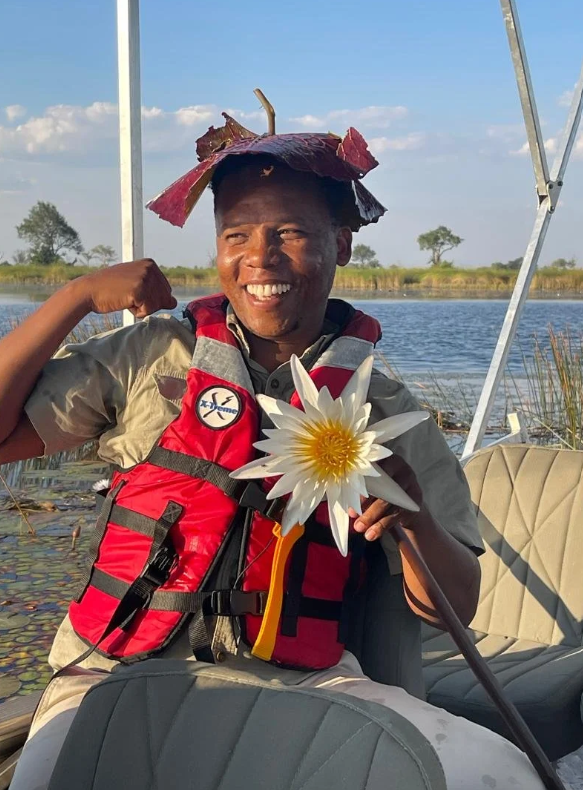
The Okavango is vast, and two trips to different parts of it can feel like two different countries. This is where a good guide earns their place: knowing which concession suits the season, where the water is, and how to read the tracks and signs that most visitors walk straight past.
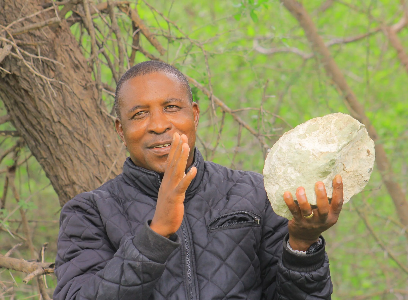
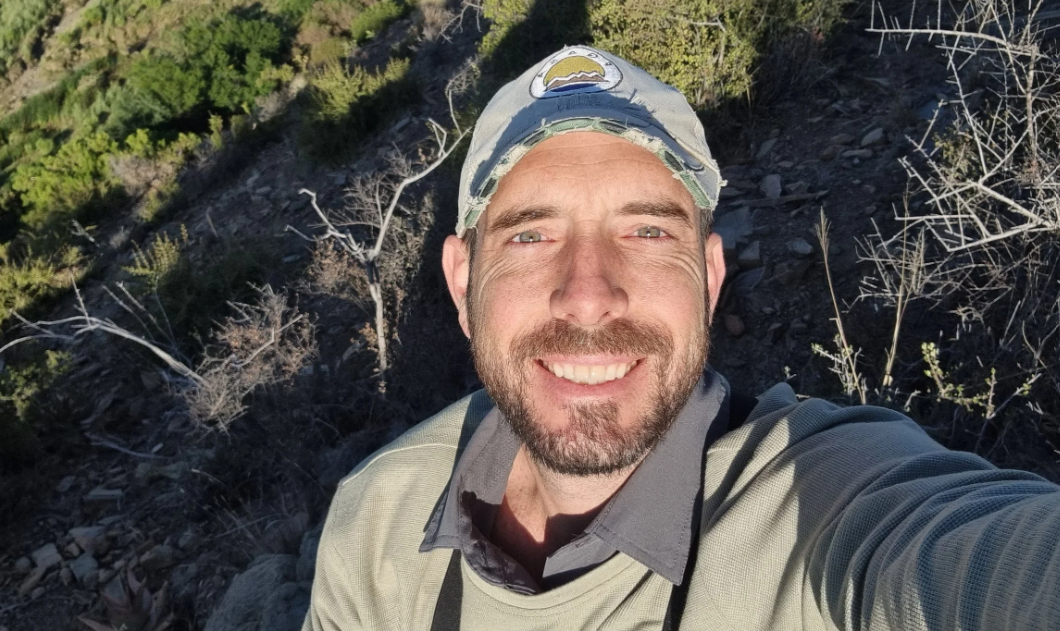
The African Private Guides Network (APGN) connects travellers with experienced professional guides, each bringing their own knowledge and way of seeing the bush. Three of our guides know the Okavango particularly well.
Ronald Letsholathebe
Ronald has been guiding for more than 19 years and knows Botswana and the Delta intimately. He is as comfortable on foot or in a mokoro as he is behind the wheel, and brings a strong interest in conservation, photography and local culture to every trip.
Vundi Kashamba
Vundi grew up in Etsha, a village on the Delta’s western edge, and started tracking as a boy. His career has since taken him through some of Botswana’s best-known wilderness areas, but it is his personal connection to the Okavango that sets his safaris apart.
Michael Rosati
Mike has spent 16 years guiding across Africa, with particular experience in the Okavango, on walking safaris and in wilderness areas. His guiding is built on close observation and interpretation, and he shapes each trip around the place and the people he is with.
A place that rewards patience
What stays with most people after the Okavango is not one particular sighting but the sense of how it all connects: the water arriving from a country far to the north, the islands it creates, the animals that follow it. Drifting through a reed channel or following fresh tracks across a floodplain, you start to see the Delta as a single living system rather than a backdrop. A guide who knows it well can show you that much sooner.